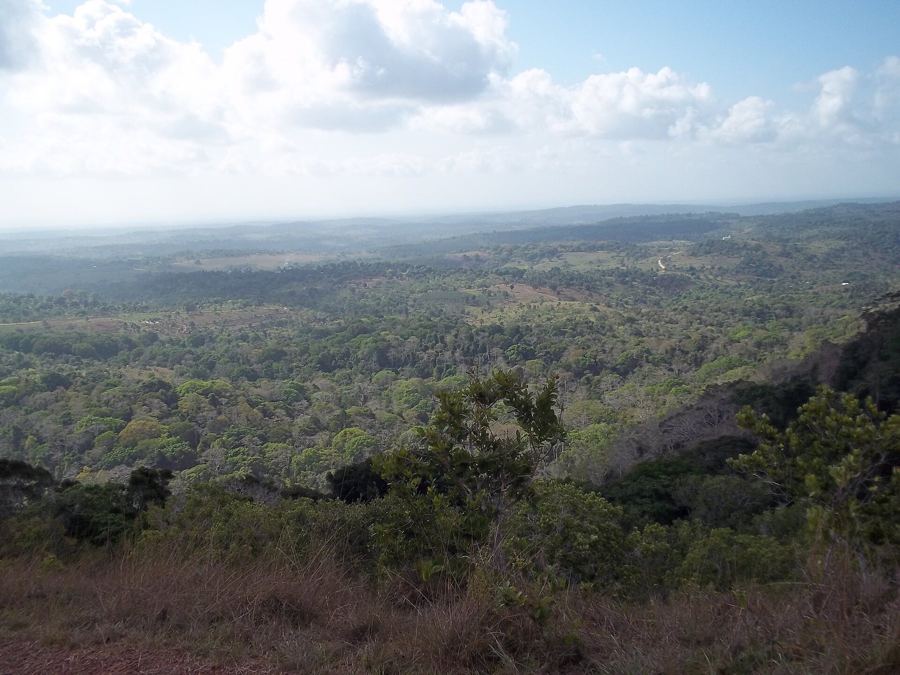
Shimba Hills
Rainforest and grassland on a plateau above the south coast, home to the sable antelope.
A cooler morning above the beaches: the Shimba HillsCoral reef, white sand and old Swahili towns run up Kenya's Indian Ocean shore in a single line. This guide follows it in order: start near the Tanzanian border, end on the islands of the Lamu archipelago.
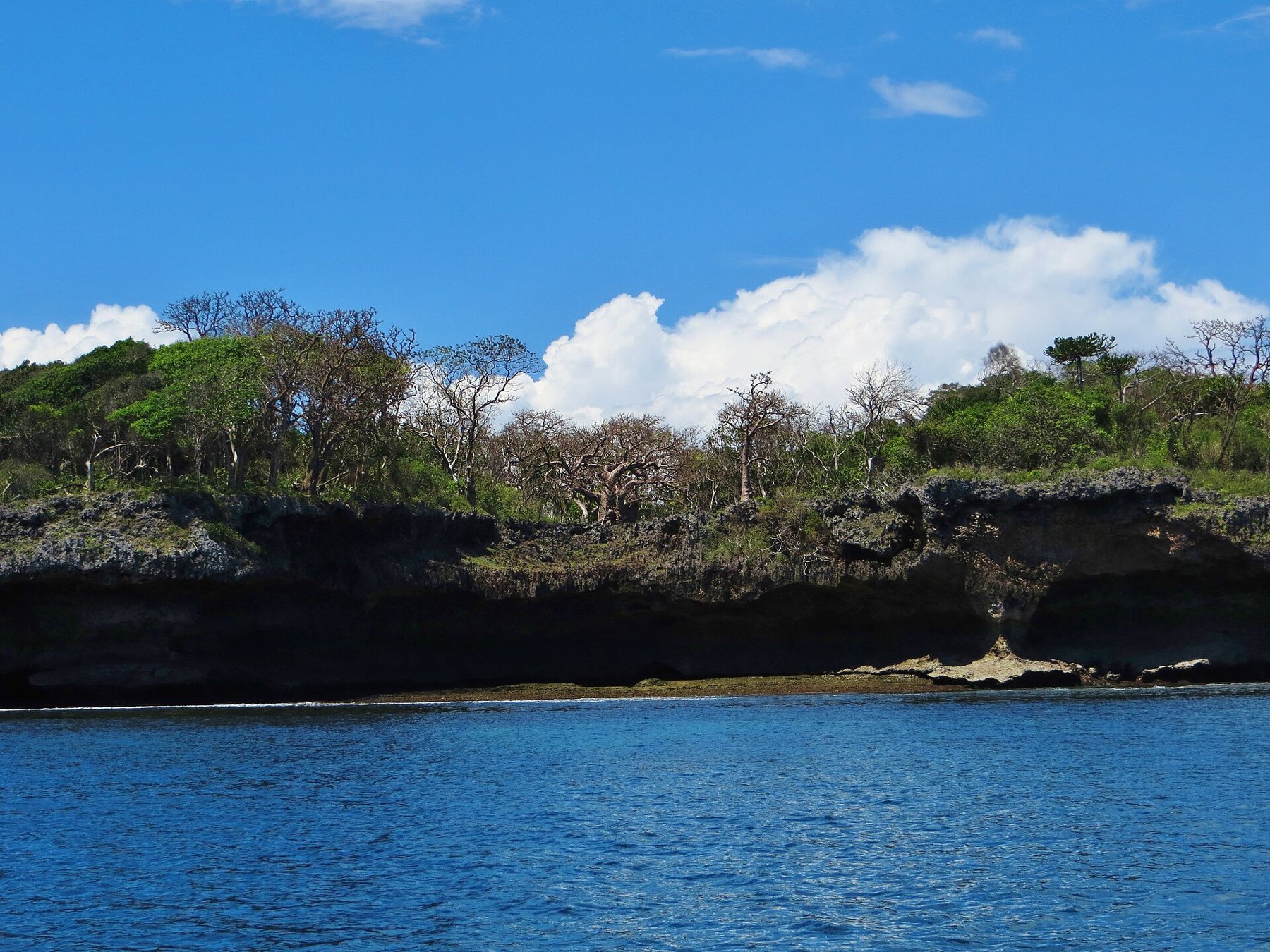
Seven stops, in the order you meet them heading north. Each column opens the guide to that stretch of shore.
Rainforest and grassland on a plateau above the south coast, home to the sable antelope.
A cooler morning above the beaches: the Shimba Hills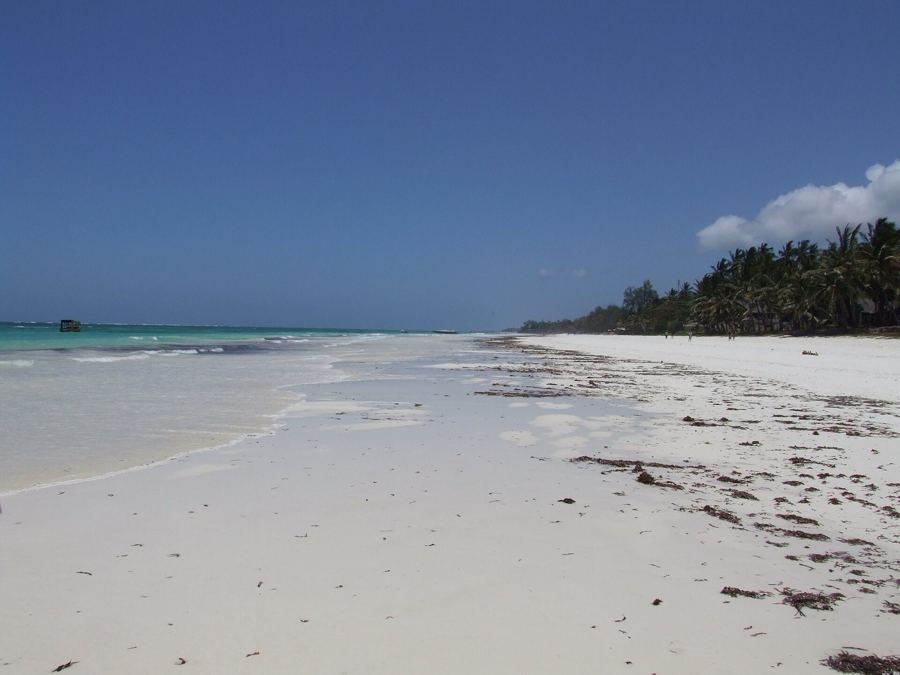
A long, straight beach behind a fringing reef, with a lagoon that empties at low tide.
Diani by the tide table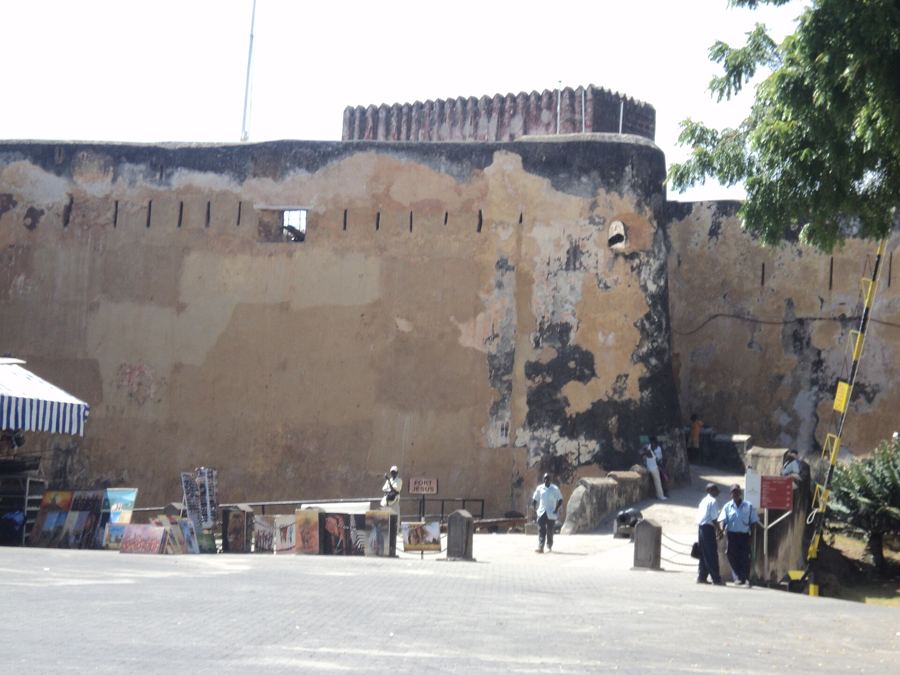
Fort Jesus, begun in 1593, and the narrow lanes of the Old Town beside the harbour.
Fort Jesus, wall by wall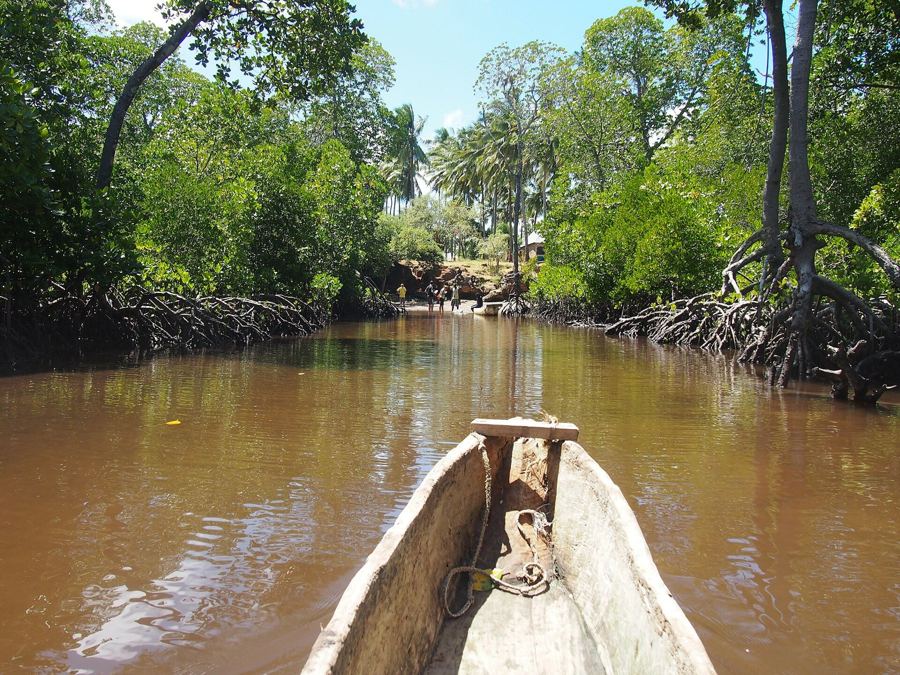
A marine park off the beach and a tidal creek of mangroves just behind it.
Mida Creek on the falling tide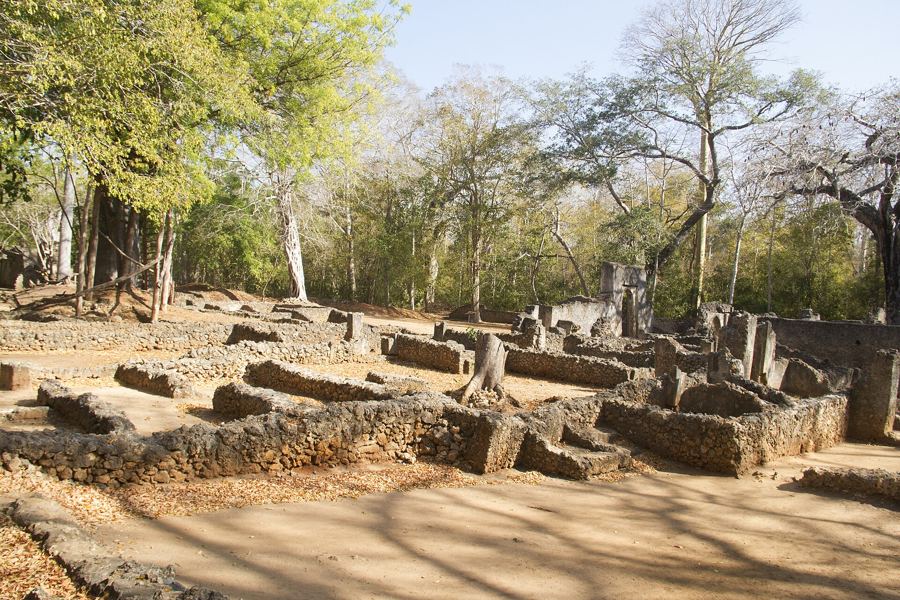
A Swahili town of coral stone, abandoned centuries ago and now wrapped in forest.
Walking the lost streets of Gede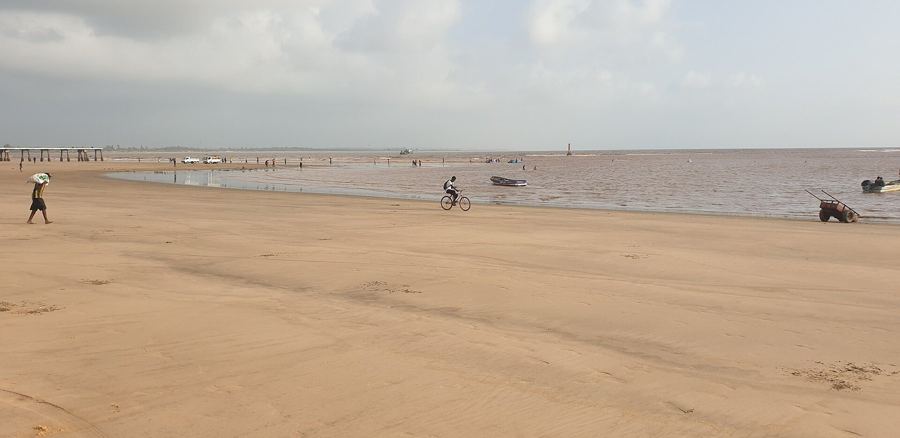
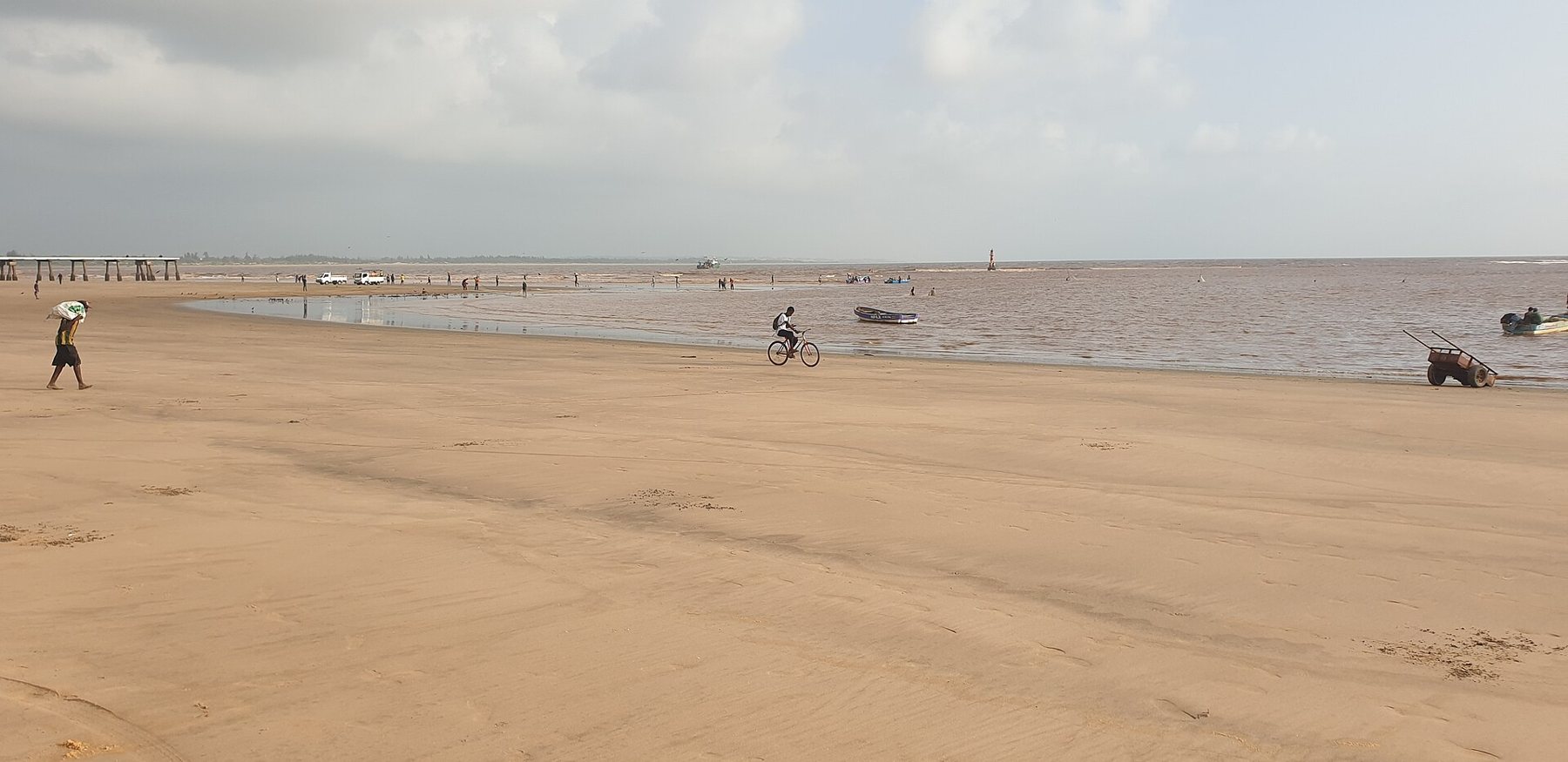
A pillar raised in 1498 stands on the point; the bay turns brown when the Galana floods.
Why the sea at Malindi changes colour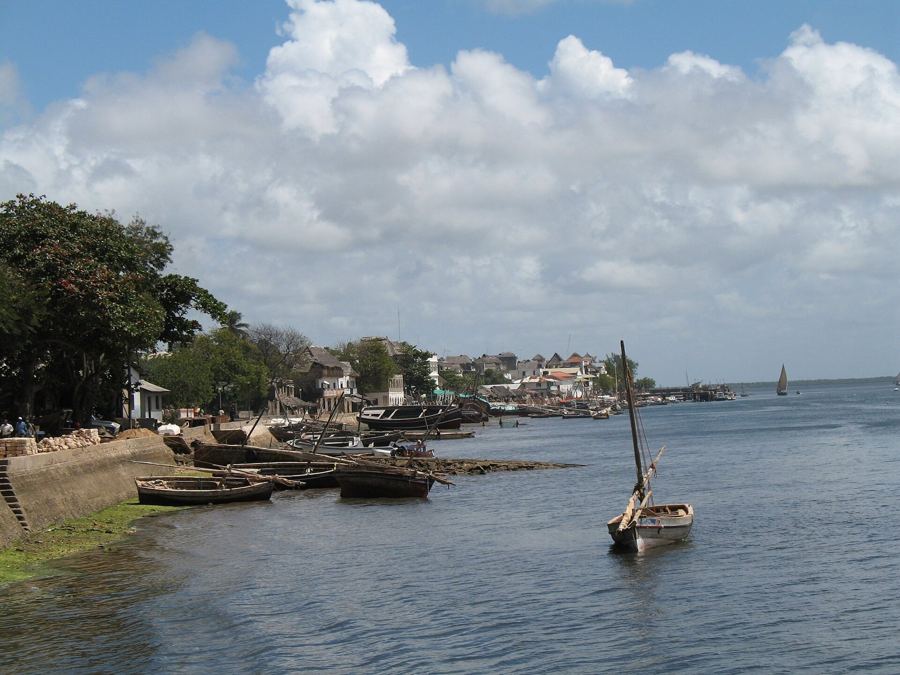
An island old town without cars, where the boats and donkeys do the carrying.
Arriving in Lamu by waterThe coast has no real winter. What changes through the year is the wind, the rain and how clear the sea is.
The months below are a guide to the usual pattern, not a forecast; the rains start early or late from year to year.
Tides matter more than the calendar. The biggest range comes around the new and full moon, when low water opens the reef pools at Diani and Watamu and empties the creeks.
Longer pieces on the towns, the reef and getting between them.