South coast · Reefs and creeks
Wasini Island and the Kisite marine park
At the far south of Kenya's coast, boats leave Shimoni for the reefs of Kisite-Mpunguti and the quiet island of Wasini. Calm water makes the day.
- The tide
- Any state of tide
- From Mombasa
- About two hours south by ferry, road
- Kindest months
- October to March, calm days
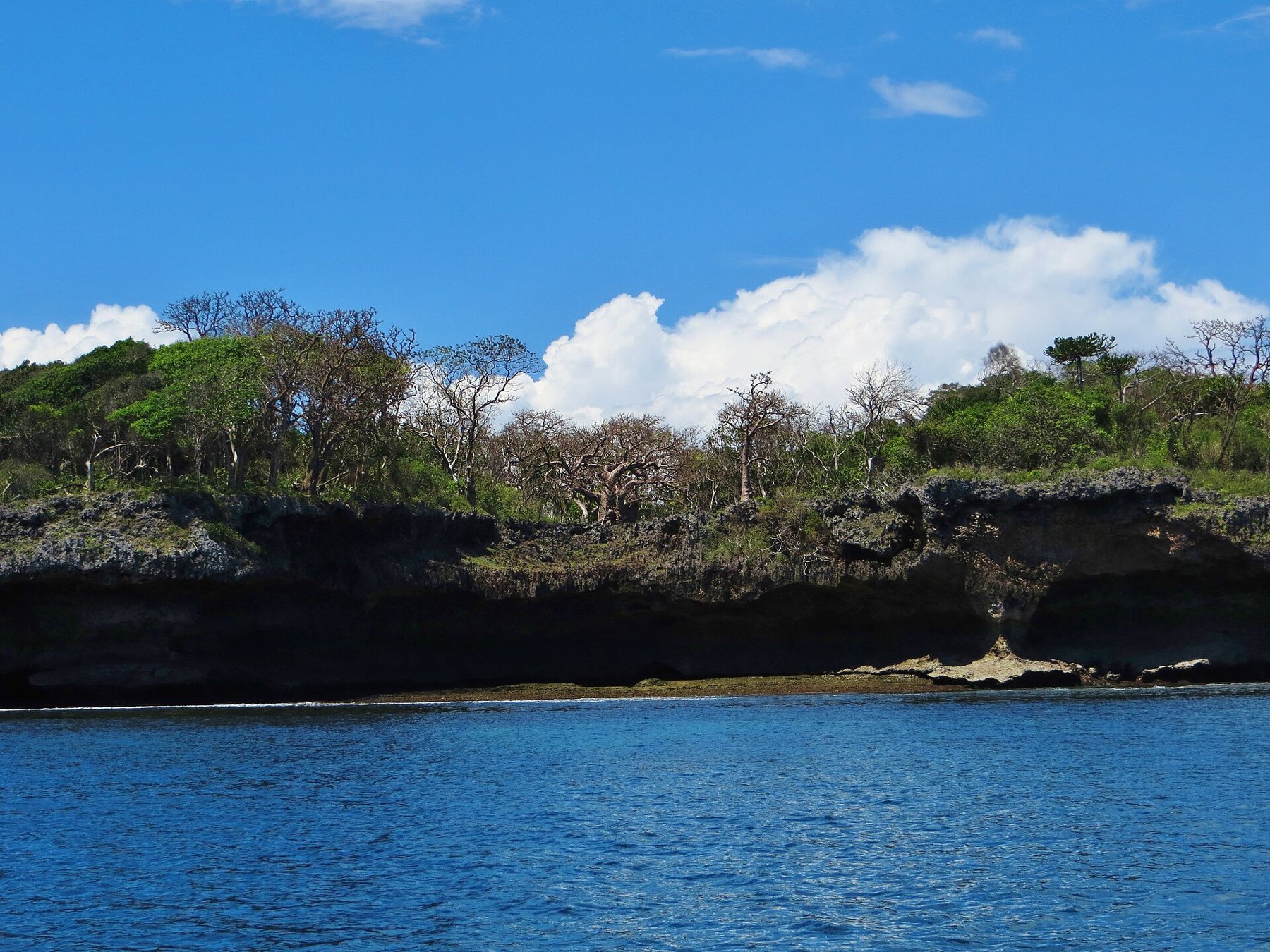
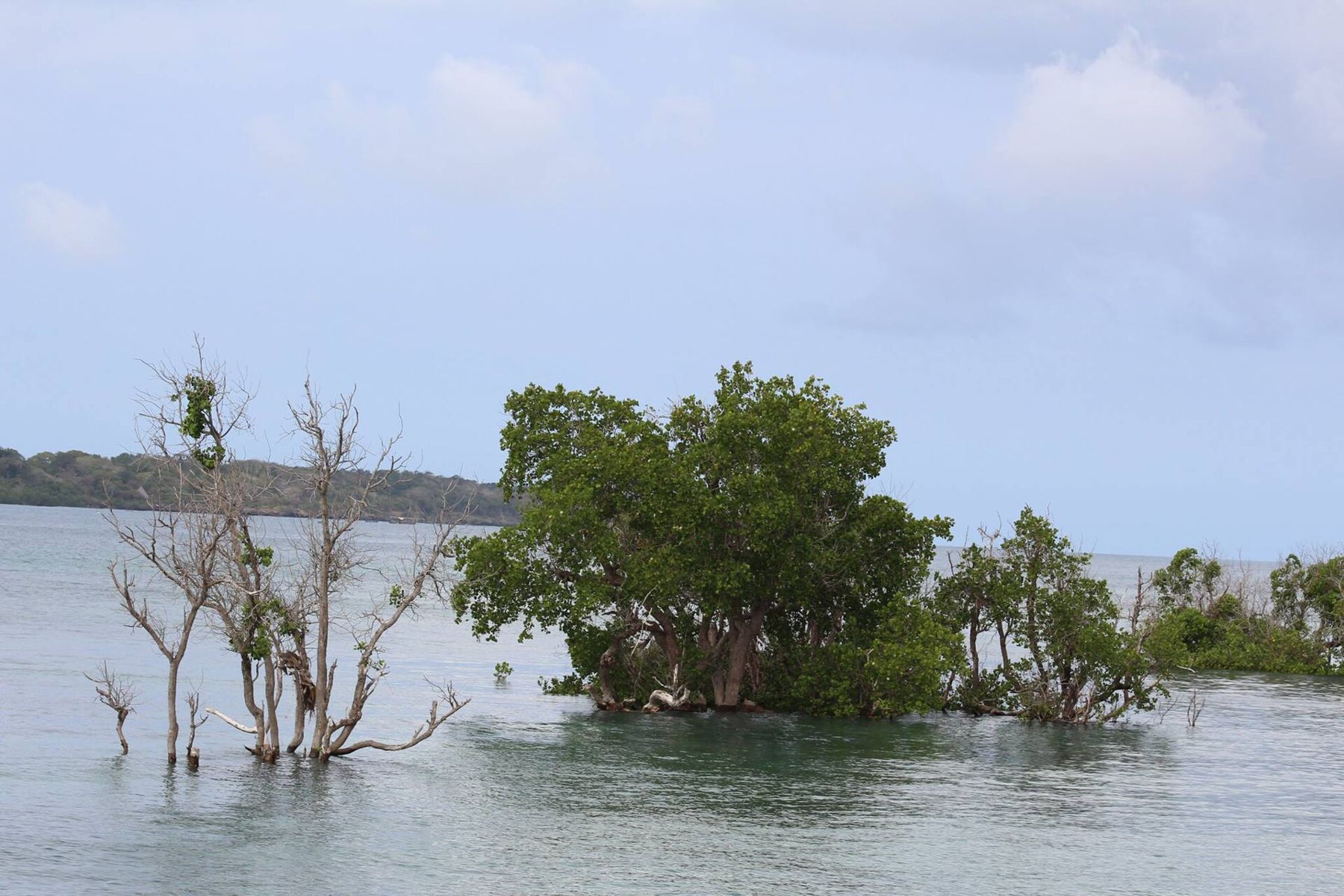
The south coast runs out near the Tanzanian border, and its last stretch is quieter than Diani. Here the small port of Shimoni faces a channel, and across the channel lies Wasini Island, low and green, with a village of coral-stone and makuti, the thatch of woven palm leaves seen all along this coast. Beyond Wasini, in open water, are the reefs and islets of the Kisite-Mpunguti marine park. A day out here is mostly about the sea.
Getting to Shimoni
From Mombasa island the way south starts with the Likoni ferry, then follows the coast road past Diani, Msambweni and on towards the border, with the turn for Shimoni near the end. The road is long enough that an early start matters, since boats generally go out in the morning. Most people come as part of an organised day, but it is possible to make your own way and arrange a boat at the jetty; if you do, agree clearly on what is included, and check that safety equipment is on board.
Kisite-Mpunguti marine park
The protected area has two parts: a marine national park around Kisite island, where no fishing is allowed, and a marine reserve around the Mpunguti islands, where traditional fishing continues under rules. Both are run by the Kenya Wildlife Service, and park fees are paid to the service; check current fees and how to pay them before you go.
The reefs here are among the better snorkelling sites on the Kenyan coast when the water is clear. Expect coral heads, reef fish in great variety, and, with luck, a turtle. Boats usually anchor at a recommended spot and give you time in the water. Listen to the crew on currents and depth, keep your fins off the coral, and do not stand on it.
Dolphins
Dolphins are often seen in these waters, and many trips go looking for them. The wildlife service asks boats not to chase dolphins, not to drive into a group, and not to surround or split pods, and asks swimmers not to touch or feed them. If a skipper is pushing too close, it is reasonable to say so. Sightings are frequent but never certain.
Turtles, rays and many kinds of reef fish share these waters, and from time to time whales are reported passing offshore in season. Treat all of them the same way: watch from a distance, let them move on their own terms, and enjoy the luck if it comes.
The whole coast · Reefs and creeksReef walks without harming the reefWasini village and the coral gardens
Wasini has no cars and no roads in the usual sense, only paths between houses, trees and the shore. A raised walkway runs out over an area of old, exposed coral and mangrove near the village, where at low water you can look down into pools and channels. The walk is run by people from the island, and the small fee goes back into the community.
This is a village, not a show. Dress modestly when you walk through, with shoulders and knees covered, and ask before you take a photograph of anyone. A greeting in Swahili, a simple jambo or habari, is always welcome.
Fresh water has always been scarce on Wasini, and life on the island has long been tied to the sea, to fishing and to the boats that cross the channel. Walk slowly, keep to the paths between houses, and you will see more of that life than you would by hurrying back to the boat.
The Shimoni caves
Back on the mainland, the name Shimoni means "at the hole", from the caves in the coral rock close to the village. The caves run back under the ground and are home to bats. Local tradition connects them with the slave trade of the nineteenth century, when captives are said to have been held there before being shipped. They are a sober place to visit, and a reminder that this coast's history includes much more than trade in spices and cloth. If you go, use a local guide at the entrance and a torch, and watch your footing on the uneven floor.
The calm months and the rough ones
Wind decides this trip. In the kaskazi season, roughly December to March, the sea in the channel and over the reefs is usually calmer, the water clearer and the boat ride more comfortable. In the months of the kusi, from about June to September, the southeast wind can make the crossing to Kisite lumpy and the visibility poor, and some days boats will not go to the outer reefs at all. October and November are often good too, with the short rains coming in showers rather than days of grey.
The coast's two winds story explains the pattern. Whatever the month, a calm morning is worth more than any date on a calendar; check the forecast and be ready to move your day.
A few practical things
- Bring your own mask if you have one that fits; borrowed ones often leak.
- Wear a T-shirt in the water as well as sunscreen; backs burn quickly while snorkelling.
- Reef shoes help on the village walk and at landings.
- Keep water and a hat with you; boats can be exposed for hours.
- Seasickness tablets are worth taking before, not after, the boat leaves.
Shimoni is a long way to come for a single day, and many people combine it with a few nights near Diani. Read Diani by the tide table for the beach life just to the north, and look at the reef walks story for ways to move over coral without harming it.
Every photograph here was shared under an open licence; the photographers are named on the pictures-by page.