South coast · Winds and rains
A rainy-season week on the south coast
Around April and May the long rains reach the coast south of Mombasa. The beaches empty, the hills turn green, and a week here asks for a looser plan and a rain jacket.
- The tide
- Any state of tide
- From Mombasa
- About 30 km south by ferry and road
- Kindest months
- April and May
The long rains come to the Kenyan coast around April and stay into May, sometimes later. On the south coast, from the Likoni ferry down past Diani to the Tanzanian border, these are the wettest weeks of the year. Many visitors avoid them. Those who come find a quieter, greener coast, and a different kind of holiday.
This is a sketch of what a week can be like. No two rainy seasons are the same; some years bring long grey spells, others mostly sunshine with dramatic storms. Hold your plans loosely.
Day one: arriving in the wet
The trip south from Mombasa island begins with the Likoni ferry, which carries people and vehicles across the harbour mouth to the south mainland. In the rain the crossing is short but crowded, and the queues for vehicles can be long at busy times of day. Allow extra time, keep your bag close, and have a waterproof layer to hand.
The road south is paved, but side roads to the beach can be rough and muddy. Potholes fill with water and hide their depth. If you are driving yourself, go slowly and avoid driving after dark.
Days two and three: the rhythm of the rain
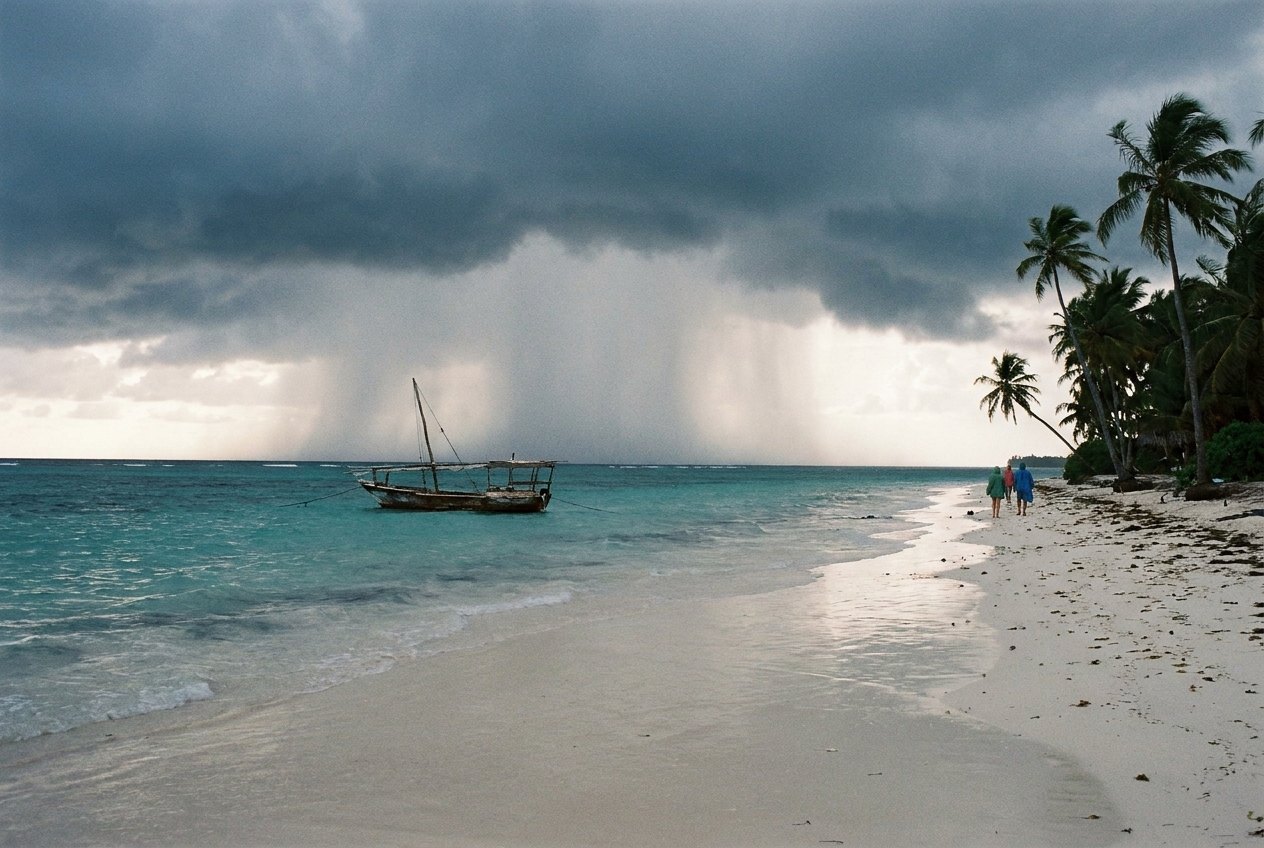
Rain on the coast rarely falls all day. More often a morning starts bright, clouds build, and a heavy shower or storm rolls in, sometimes for an hour, sometimes for the afternoon. Then it clears, and the light afterwards is sharp and clean. Nights can bring the heaviest downpours.
The air is warm and very humid. Clothes take a long time to dry; quick-drying fabrics help. Mould grows on anything left damp, so air things when the sun is out.
On the beach, the sea is often rougher than in the dry months, and murkier, as rivers and run-off bring silt and debris. Swim only where conditions are calm, and do not go in where the waves are breaking hard. The tide still rules the lagoon; for how, see Diani by the tide table.
Day four: up into the hills
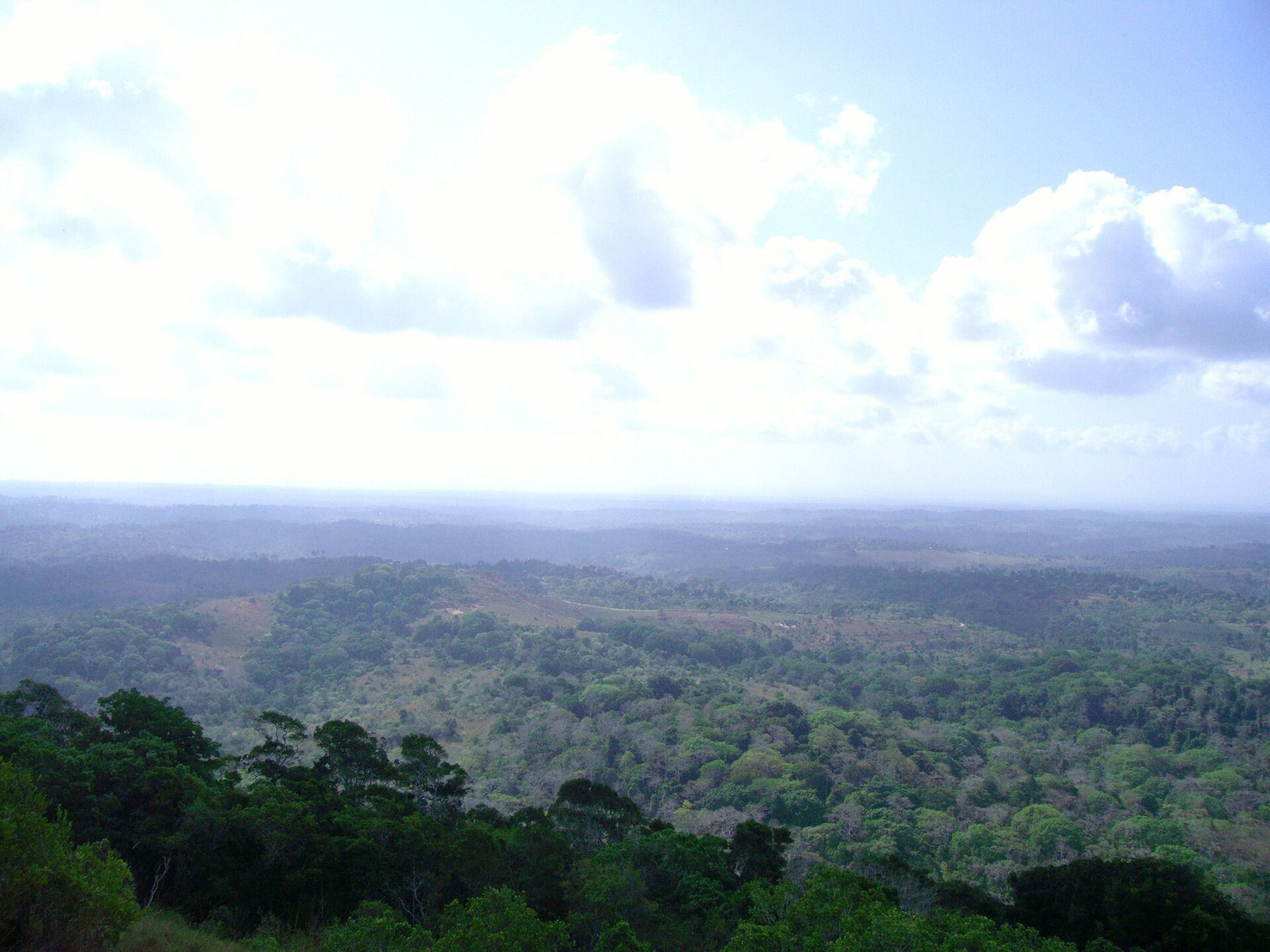
This is the season to see the Shimba Hills at their greenest. Above the coastal plain, the forest and grassland of the reserve are lush after the rains, the streams run full, and the air on the plateau is fresher than down by the sea. Tracks inside the reserve can be muddy and slippery, and a high-clearance vehicle is wiser than a small car. Some routes or walks may be closed after heavy rain, so check at the gate. The story of the Shimba Hills has more on the reserve itself.
Day five: what is open and what is not
The long rains are the low season on the south coast. Some beach businesses close for a few weeks, for repairs or simply because there are few visitors. Others stay open with reduced service. Prices can be lower, and the places that are open are quiet. Check ahead before you set out for anywhere in particular.
Boat trips depend on the weather. The run out to Wasini Island and the Kisite marine park can be cancelled when the sea is rough, and visibility underwater is usually lower than in the dry months. If you have your heart set on it, leave room in your plans for a second try. The story of Wasini Island and the Kisite marine park covers the trip in better weather.
The whole coast · Reefs and creeksReef walks without harming the reefDay six: mosquitoes and staying well
Rain means standing water, and standing water means mosquitoes. Malaria is present on the Kenyan coast, and the risk is higher in and after the rains. Ask a travel clinic about prevention well before you travel, and follow their advice. On the coast, sleep under a net where one is provided, use repellent in the evenings, and wear long sleeves and trousers after dark.
- Drink bottled or treated water, especially after floods.
- Keep cuts clean and dry; they heal slowly in humid air.
- Carry a torch for evening walks; paths can flood and power cuts happen in storms.
- Keep valuables dry and out of sight.
Day seven: the quiet beach
On a clear morning in the rains, the beach can be almost empty. The sand is washed clean, the sky is enormous and the palms are bright green. This is the reward for coming now. Walk early, before the clouds build. Watch the waders on the tide line. Then retreat to shade when the next shower arrives, and read.
The birds are another reason to be out. In the wet months the bush behind the beach is full of song, and the hills inland are at their busiest. Take binoculars on the morning walk, and look along the line of the forest as well as out to sea.
By the end of the week, the rhythm will feel familiar. You learn to read the sky, to do the important things in the morning, and to treat a sunny afternoon as a gift.
When the rains end
By June the rains usually ease, and the southeast wind, the kusi, settles in, bringing cooler, breezier weather and, on the south coast, seaweed on the beaches. If you want to understand the whole year, read the coast's two winds, month by month. And if you want more certainty of sunshine, come in the dry months instead. But the rainy season has its own quiet beauty, and some people come back for it year after year.
Every photograph here was shared under an open licence; the photographers are named on the pictures-by page.