The whole coast · Reefs and creeks
Reef walks without harming the reef
At low water the lagoons of the Kenyan coast drain, and you can walk out across the flats towards the surf line. Done carefully, it is one of the coast's quiet pleasures.
- The tide
- Go at low water
- From Mombasa
- Any beach with a fringing reef
- Kindest months
- Calm months, around spring tides
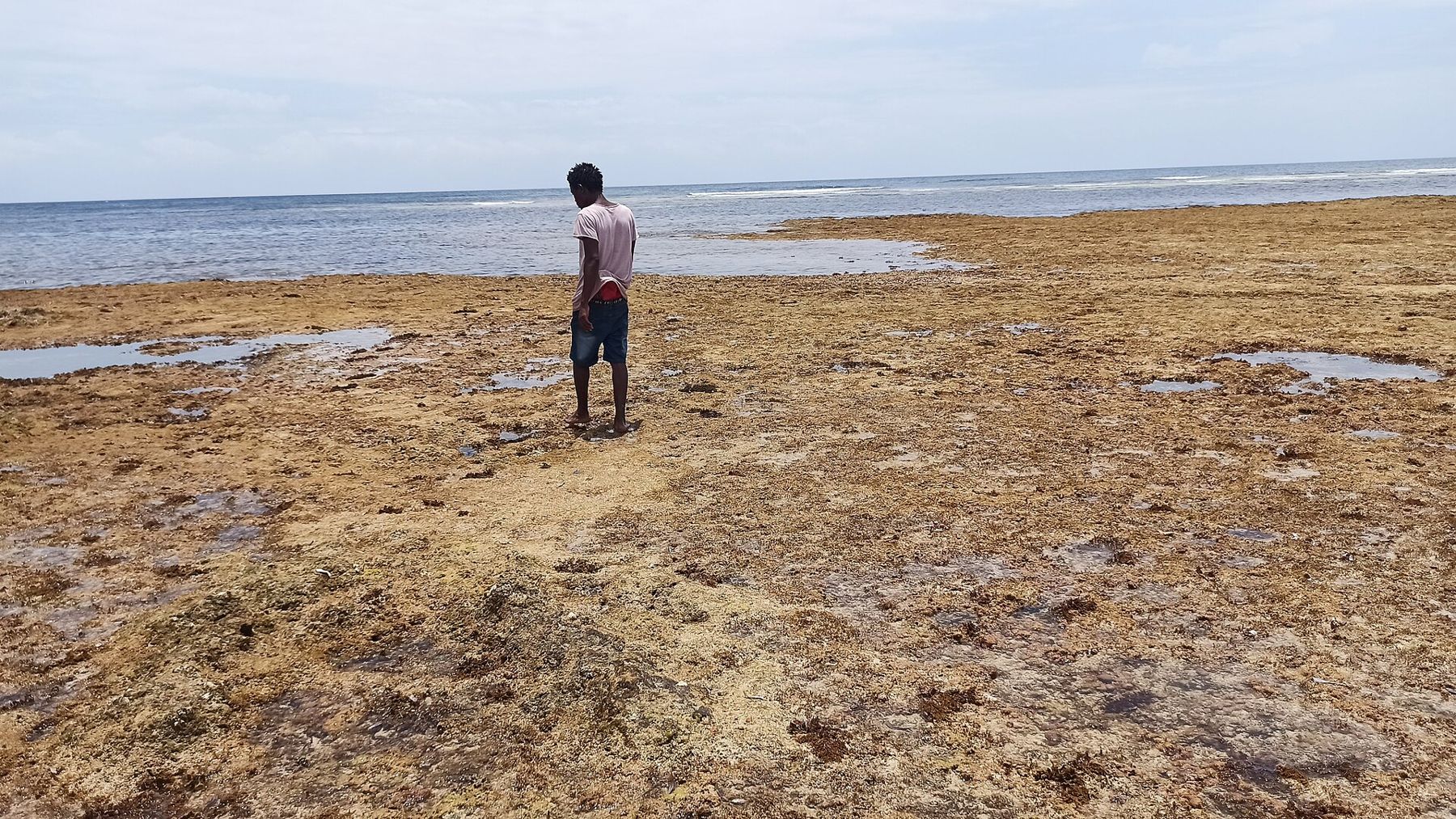
Twice a day along much of the Kenyan coast, the sea pulls back from the shore. Between the beach and the outer reef the water thins and drains, rock pools appear, seagrass lies flat on wet sand, and the coral flats, the reef flats, rise into the air. Walk out at the right time and you can reach places that a few hours earlier were under a metre or two of water.
This is a fragile place. The reef flat is alive, and every step falls on something. Learning to walk it well is mostly a matter of care.
Timing the walk
Everything starts with the tide. Low water comes roughly fifty minutes later each day, so a walk that worked yesterday at ten will be closer to eleven today. The range of the tide changes too. Around new moon and full moon come the spring tides, when the highs are highest and the lows are lowest, and the flats drain furthest. Halfway between, at the neap tides, the sea hardly retreats, and some flats never show at all.
So for the best reef walking, aim for a spring low. Pick up a local tide table, or ask at the beach, and plan to start walking an hour or so before low water. That gives you time out on the flats and time to come back before the sea returns. For how one beach shifts through the day, see Diani by the tide table.
What the reef shows
A reef flat at low water is not a garden of bright coral; the showier reef lies deeper, beyond the edge. What you find instead is the life of shallow water: sea stars, brittle stars curled under rocks, sea cucumbers lying in the sand, small fish trapped in pools, crabs, anemones, and octopus if you are lucky and patient. Seagrass meadows shelter young fish. Some corals do grow on the flats, in low mounds that can survive brief exposure.
Go slowly. The best moments come when you stand still beside a pool and let it settle. After a minute, things start to move.

Stepping on the reef flat
Choose sand and bare rock wherever you can. Walk around corals, not across them, and never stand on a living coral head; it can take years to grow back what a footstep breaks. Seagrass is tougher, but even there, follow the sandy channels where they run. If you must cross a stretch of rubble, step slowly and look first.
Wear reef shoes or old trainers with firm soles. Bare feet are the quickest way to a cut, and coral cuts heal slowly and infect easily in warm water. Rinse and clean any graze well and keep an eye on it.
North coast · Reefs and creeksWatamu's marine park from the beachSea urchins and other things that bite back
The commonest hazard is the sea urchin, a dark ball of long, brittle spines that sits in pools and crevices. Step on one and the spines break off in your foot. Shoes stop most of them; watching where you step stops the rest. If you are spiked, get out of the water, and ask locally or at a clinic how to deal with it.
- Do not put your hands into holes or under ledges you cannot see into.
- Some fish, such as stonefish, are camouflaged and venomous; shoes and slow steps matter here too.
- Cone shells can sting. Leave all live shells where they lie.
- Jellyfish wash into the lagoon at times. Look before you wade.
None of this should put you off. Thousands of people walk the flats every year without trouble. Care and good footwear are most of it.
Look, do not lift
The rule is simple: leave everything where it is. Do not lift sea stars out of the water, even for a photograph; they can be harmed by the air and the handling. Do not turn over rocks, and if you do lift one to look beneath it, put it back exactly as it was, the same way up. Do not collect shells, dead or alive; empty shells become homes for hermit crabs, and in Kenya marine parks and reserves taking anything is not allowed.
Some beaches have people offering to guide you across the flats. A good guide knows the paths and the pools. Agree what you will pay before you set out, and ask them not to pick up animals to show you. If they do, say no politely.
Watching the sea come back
The return is the part people forget. The tide does not creep back evenly. It fills the channels and deeper pools first, so the way you came can turn into water before the flat you are standing on is covered. Watch the time, and when the water starts to move around your ankles, head back. Note your route on the way out; keep the shore in view.
Around the reef edge, the surf and currents can be dangerous. Stay well back from the breaking waves, and never let the flat lure you to the outer edge where the reef drops away. Children need a hand to hold. And remember the sun: on an open reef flat at midday there is no shade at all, and the light comes up off the water as well as down from the sky. A hat, water and a long-sleeved shirt make the walk much easier.
The best reef walking comes in the calm months, when the sea inside the reef is still and clear; see the coast's two winds, month by month for when those usually fall.
Every photograph here was shared under an open licence; the photographers are named on the pictures-by page.