The whole coast · Winds and rains
Kaskazi and kusi: the coast's two winds, month by month
The Kenyan coast has two winds that take turns through the year, with rains between them. Knowing which one is blowing tells you what the sea, the sky and the beach will be like.
- The tide
- Tide hardly matters
- From Mombasa
- Mombasa and the whole coast
- Kindest months
- Depends on what you want
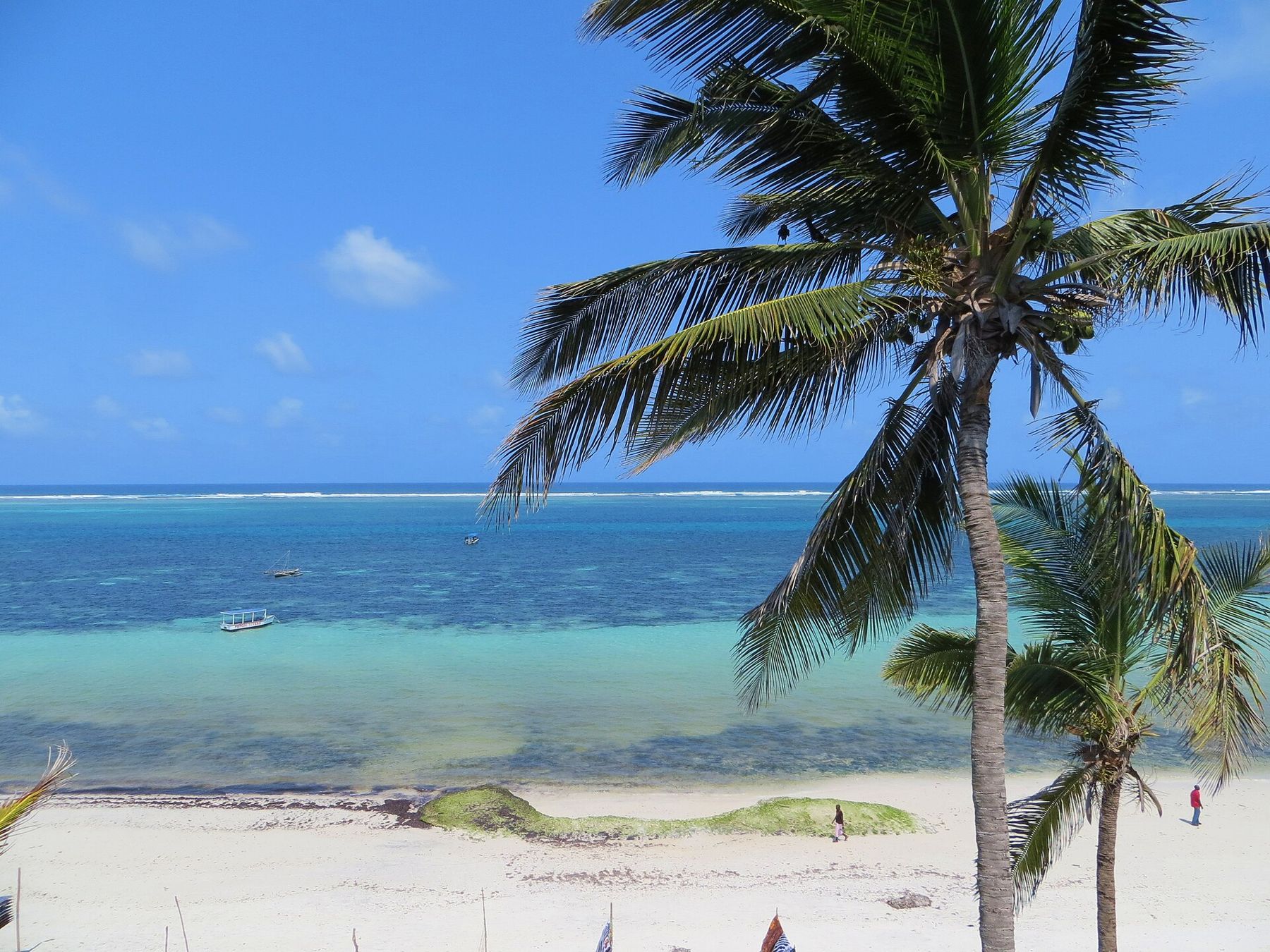
Ask someone on the Kenyan coast what the weather will be next month and they may answer with the name of a wind. For centuries the year here has been divided between two monsoons: the kaskazi, which blows from the northeast, and the kusi, which blows from the southeast. Between them come the rains. The pattern is not exact, and every year is different, but it shapes nearly everything about a visit: how calm the sea is, how clear the water, how much seaweed is on the sand, and how hot the afternoons feel.
The kaskazi: northeast, hot and mostly calm
The kaskazi usually sets in around December and blows until about March. It comes off the ocean from the northeast, warm and humid, and these are the hottest months of the coastal year. The wind is often gentle in the mornings and freshens in the afternoon.
For many beaches the kaskazi means calmer, clearer water inside the reef. Visibility for snorkelling and diving is often at its best, and boat trips to the marine parks tend to be smoother. Seaweed on south coast beaches is usually lighter. It is the season most people think of as the coast at its best, and it is also the busiest, with the end-of-year holidays falling at the start.
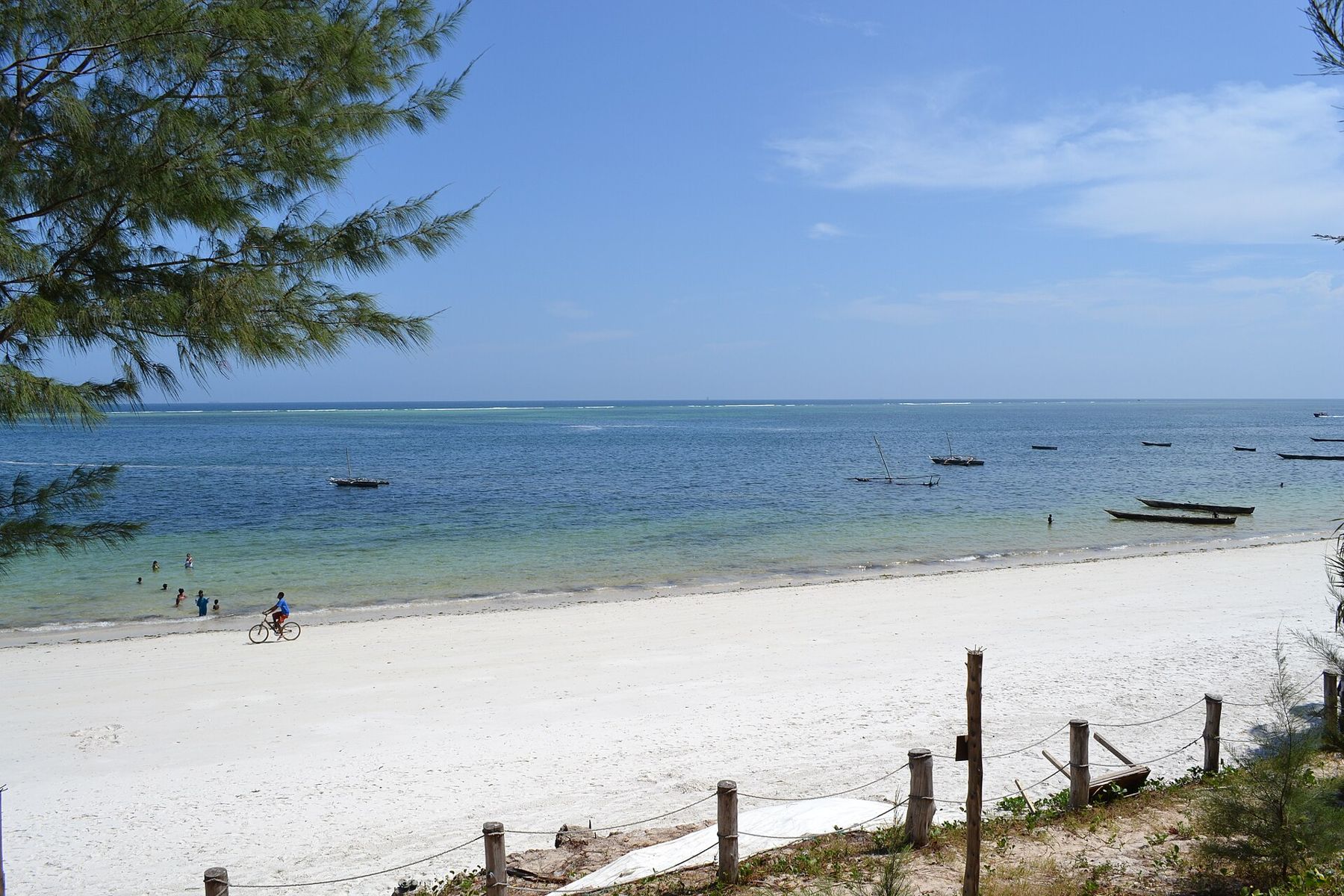
In the age of sail the kaskazi was the wind that carried trading ships from Arabia, the Persian Gulf and India down to East Africa. When it turned, they sailed home on the kusi. For that story, read dhows, then and now.
Living with the heat
The kaskazi months are the ones when the sun is fiercest. The middle of the day is for shade, and the sea and the beach are best early and late. Drink more water than you think you need, use a high-factor sunscreen and a hat, and remember that the light off white sand and shallow water burns faster than you expect.
The long rains: April and May
As the kaskazi fades, the weather becomes unsettled. The long rains, masika in Swahili, usually arrive around April and run into May and sometimes June. They are not constant: many days bring heavy downpours, often in the afternoon or overnight, with sun in between. Humidity is high, and the landscape turns a deep green.
This is the low season. Some beach businesses close for a few weeks, roads in the countryside can be muddy, and the sea can be rough and murky. Rivers carry silt to the coast, which is why the bay at Malindi changes colour after heavy rain. On the other hand, the coast is quiet and the hills are at their greenest. For what those weeks feel like day to day, read a rainy-season week on the south coast.
The pattern is not exact, and every year is different, but it shapes nearly everything about a visit: how calm the sea is, how clear the water, how much seaweed is on the sand, and how hot the afternoons feel.The whole coast · Reefs and creeksReef walks without harming the reef
The kusi: southeast, cooler and breezier
From around June the wind settles in from the southeast. The kusi is stronger and steadier than the kaskazi, and it brings the coolest months of the year, from about July to September. Cool here is relative: days are still warm, but nights are fresher and the humidity drops.
The sea feels the change. Waves are bigger, the water outside the reef is rougher, and boat crossings, such as the trip out to the Kisite marine park or the channels around Lamu, can be lumpy. On south coast beaches, the kusi months are also the main seaweed season, when strands and mats of weed wash up along the tide line. Visibility underwater is often lower than in the kaskazi. The steady wind, though, is what kitesurfers come for, and the cooler air makes long walks easier.
Not the same on every beach
How much the kusi matters depends on where you are. Beaches that face the open southeast take the wind and the weed head on, while sheltered bays, creeks and the lee side of islands can stay surprisingly calm. On the same day, one stretch of sand can be churned and brown with weed and another, a short drive away, can be clear. If a beach disappoints in July, ask about the next one along before you give up on the sea. Inside the reef, the lagoon is still often swimmable at high water even when the ocean beyond is white with breakers.
The short rains and the in-between months
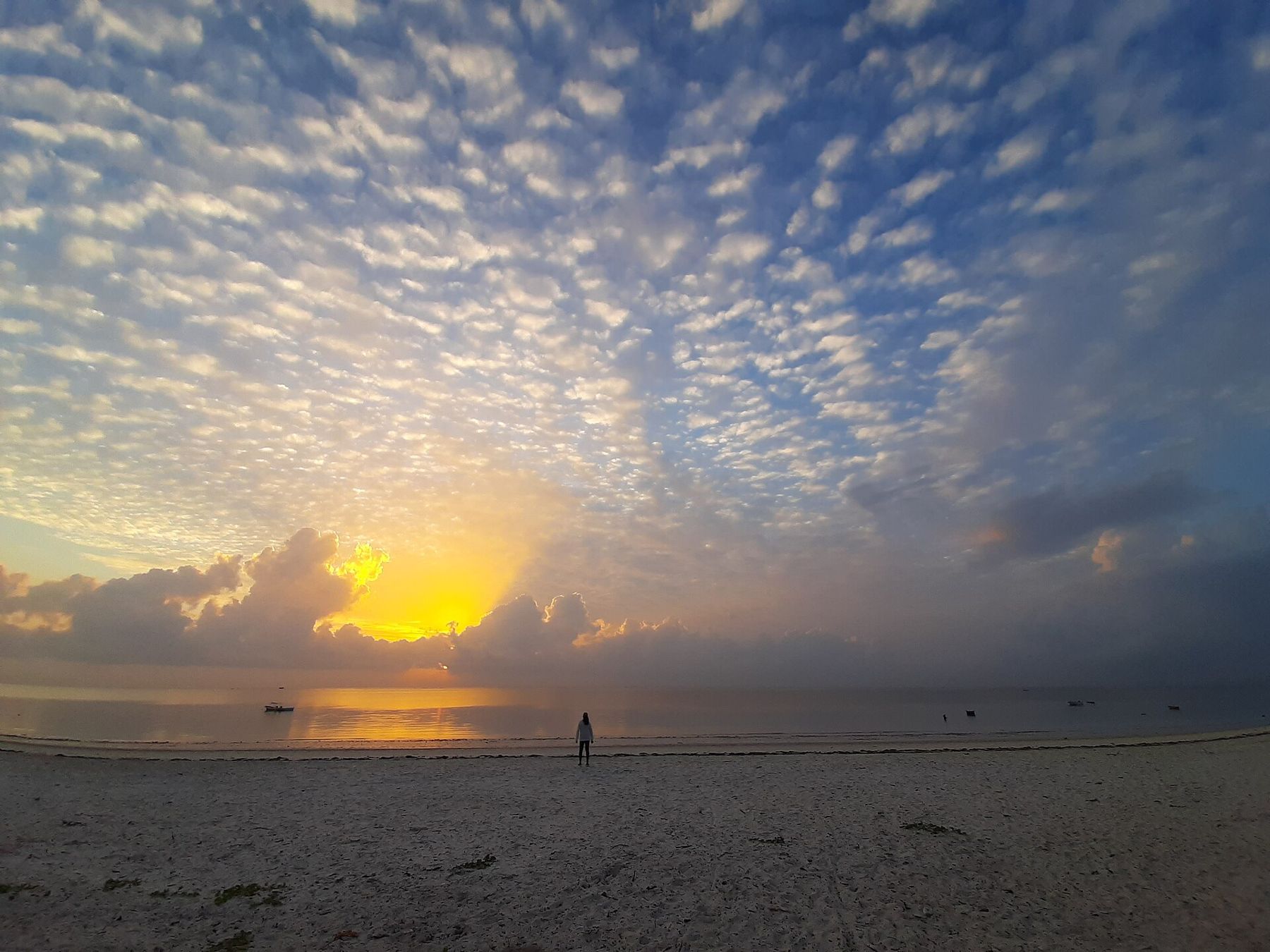
Around October the kusi weakens, and for a few weeks the wind may be light and changeable. Then come the short rains, vuli, usually around November and sometimes into December. They are lighter and shorter than the long rains, often coming as showers rather than long wet spells.
The gaps between the monsoons, around March and again around October, can be some of the best times of all: calm seas, clear water, and fewer people. They are also the least predictable. Some years the kusi lingers, some years the short rains arrive early or hardly at all, and a calm October can turn wet without much warning. If you travel in these months, build a spare day or two into anything that depends on the sea.
The coast's year in brief
The table below gives the usual pattern. Treat it as a guide, not a promise; the timing shifts by weeks from year to year, and the north coast and Lamu can differ from the south.
| Months | Wind | Rain | Sea and beach |
|---|---|---|---|
| December to March | Kaskazi, northeast | Mostly dry | Hot, calmer, clearer water, less seaweed |
| April to May | Changing | Long rains | Rougher, murkier, quiet, green |
| June to September | Kusi, southeast | Mostly dry, some showers | Cooler, breezier, bigger waves, seaweed |
| October | Light, changing | Mostly dry | Often calm and clear |
| November to early December | Turning northeast | Short rains | Showers, warming, mixed seas |
Using the winds to plan
If clear water for snorkelling is the priority, aim for the kaskazi months or the calm gaps around March and October. If you want a quieter coast and do not mind showers, the rainy months have their own pleasures. For wind sports or cooler walking weather, the kusi is your season.
Whatever the month, the tides matter as much as the wind for life on the beach. Low spring tides, around new and full moon, open up the reef flats; for how to use them, read reef walks without harming the reef. Above all, check a current forecast before you go out on the water. Monsoons set the pattern, but individual days still bring storms, flat calms and surprises, and the people who work on the sea read the sky every morning.
Every photograph here was shared under an open licence; the photographers are named on the pictures-by page.